Photography | Exploration | Discovery
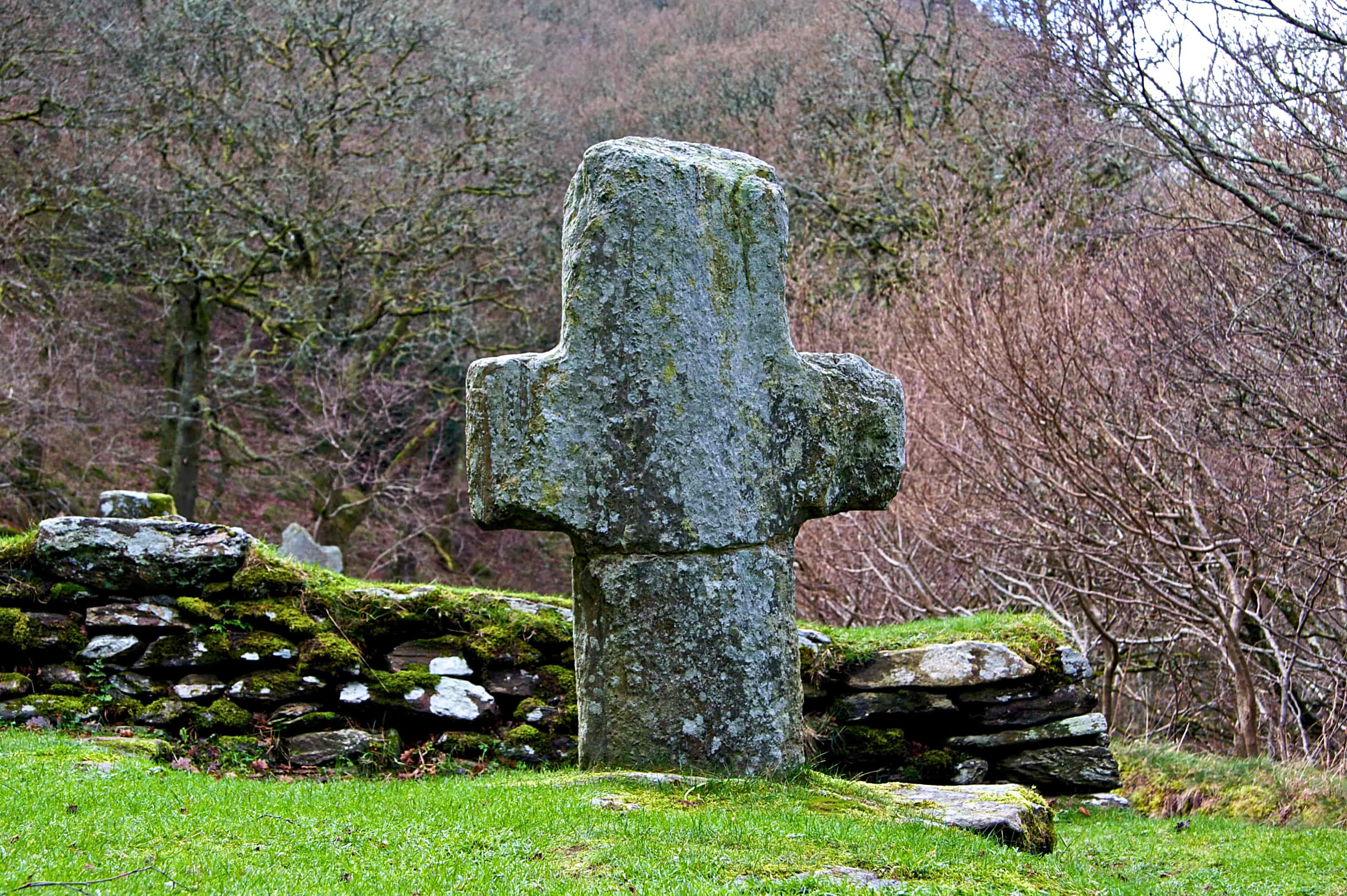
Glendalough translates from Irish as "Valley of the Two Lakes" — Gleann Dá Loch — and the name tells you most of what you need to know about the setting. A glacially carved valley deep in the Wicklow Mountains of County Wicklow, roughly an hour south of Dublin, with two dark lakes reflecting steep forested hillsides and stone ruins that have been standing since the 6th century. The valley was formed during the Ice Age. The lakes came when the glaciers retreated. The monastery came when a hermit monk named St. Kevin arrived looking for solitude around 498 AD and found it here in a cave above the upper lake.
What St. Kevin started became one of the most important religious and scholarly centers in early medieval Europe. The monastery ran for over 900 years, producing manuscripts, attracting pilgrims, and eventually drawing Viking raids. The round tower — 112 feet tall, still standing — served as both a beacon for arriving pilgrims and shelter when the raids came. According to tradition, to be buried at Glendalough was considered equal to burial in Rome. The site fell into decline after 1214 when it was absorbed into the Diocese of Dublin, leaving behind the ruins visible today.
What makes Glendalough exceptional for this collection is the combination of natural setting and human history operating at the same scale. The lakes, the forest, the mountain terrain, and the stone ruins all belong together here — none of it feels placed or preserved artificially. Wildlife moves through the national park surrounding the valley. The hiking trails are serious. The light on the water in early morning, the mist that settles into the valley in autumn, and the quality of the stonework against the green landscape make this one of the more photographically compelling locations in all of Europe.
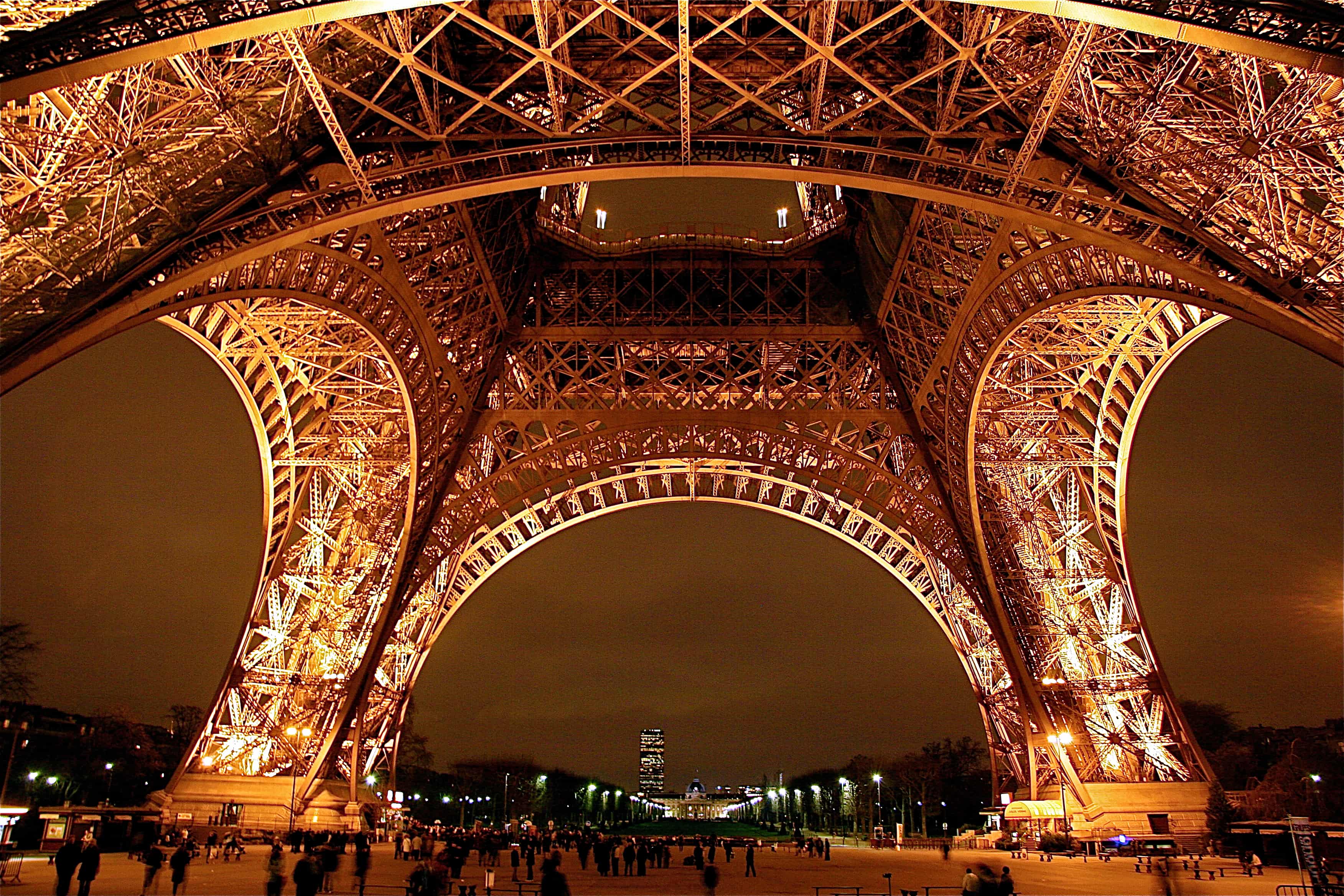
Paris belongs in this collection. One of the most photographed cities on earth for good reason — the Seine, the architecture, the light, and the seasons all come together in a way that consistently produces compelling images. Founded over 2,000 years ago by a Celtic tribe called the Parisii on an island in the Seine, it has grown into a metropolitan area of over 12 million people while somehow keeping its identity intact at street level. The bones of the original city are still readable if you know where to look.
Spring brings the Luxembourg Gardens and Tuileries into full bloom, cherry trees line the walkways, and migratory birds move through the Bois de Boulogne on flyways that predate the city by millennia. Autumn turns the chestnut-lined boulevards gold by October, as reliable as any natural phenomenon. The Seine floods in winter and the rooftops hold snow in a way that transforms the entire skyline. The Eiffel Tower, Notre-Dame, the Palace of Versailles — these are genuine landmarks worth documenting across seasons and conditions. The light in Paris runs softer and lower than most cities at this latitude, which matters for photography. Every season produces different material. It earns a permanent place in the expedition record.
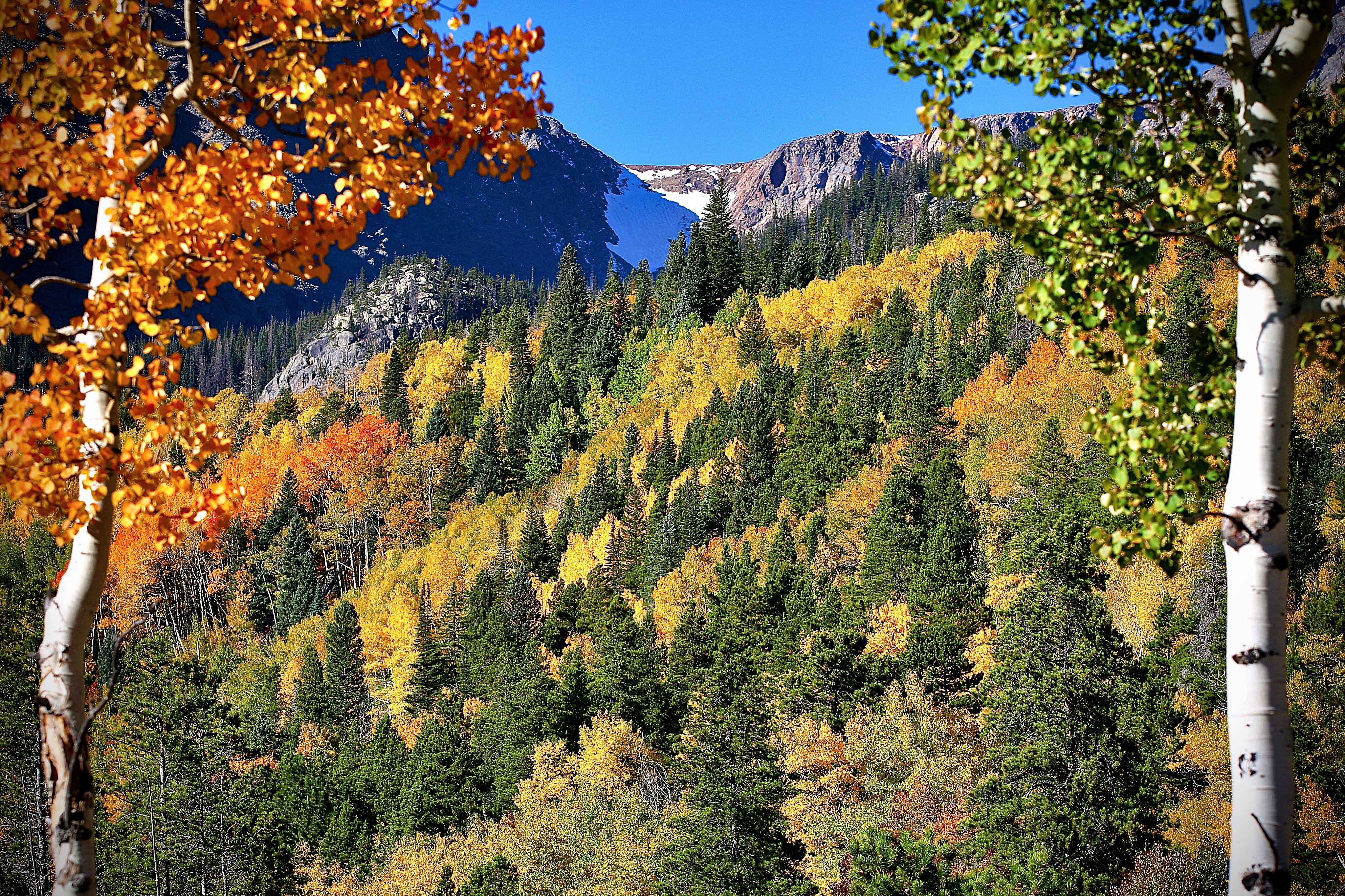
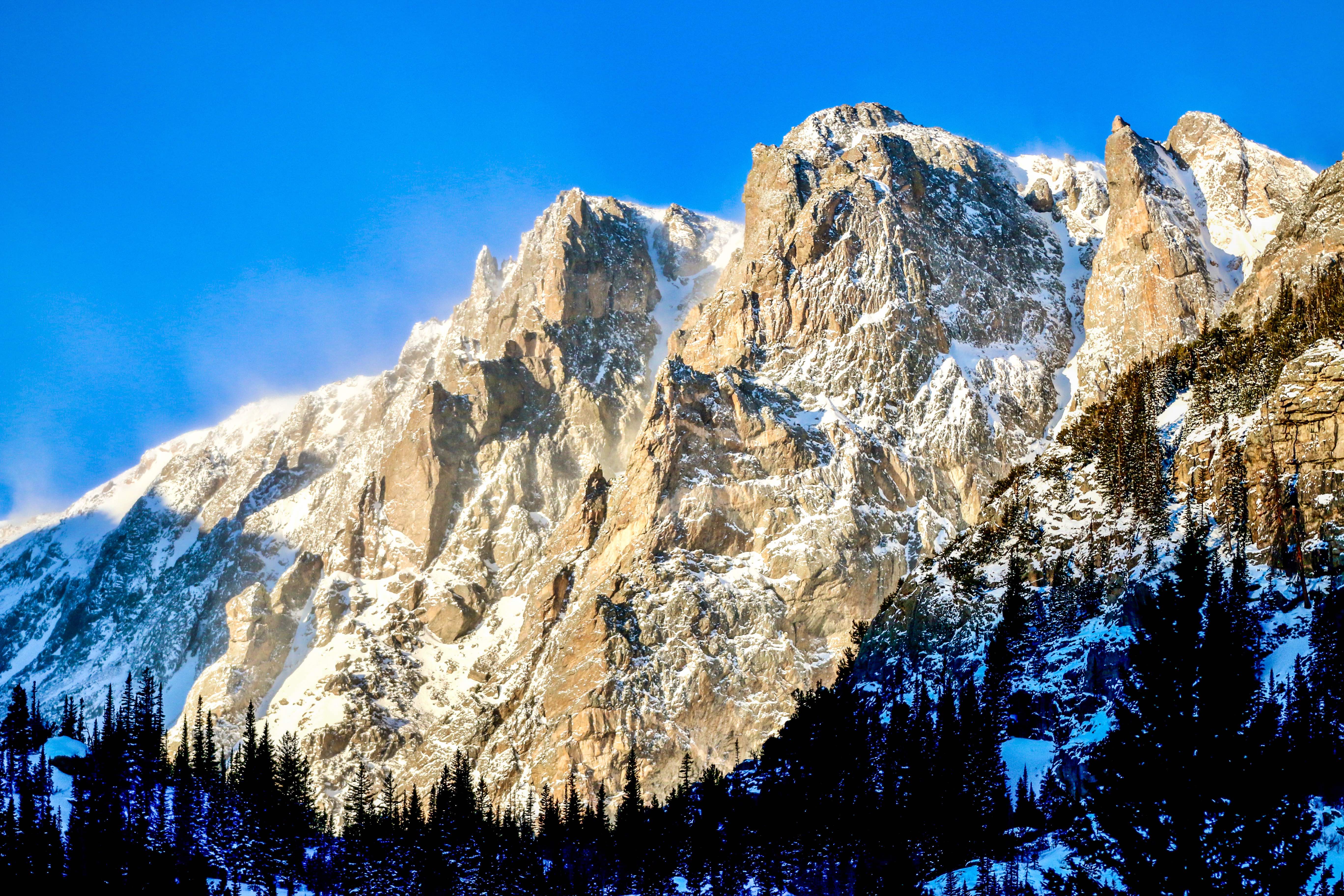
Autumn arrives early in Rocky Mountain National Park. By mid-September the high country is already turning — aspen groves shifting from green to blazing gold almost overnight, painting entire hillsides and canyon walls in color that peaks for only a narrow window before the first snows arrive. The contrast against the evergreen forests and granite peaks makes this one of the most visually dramatic seasonal transitions in North America.
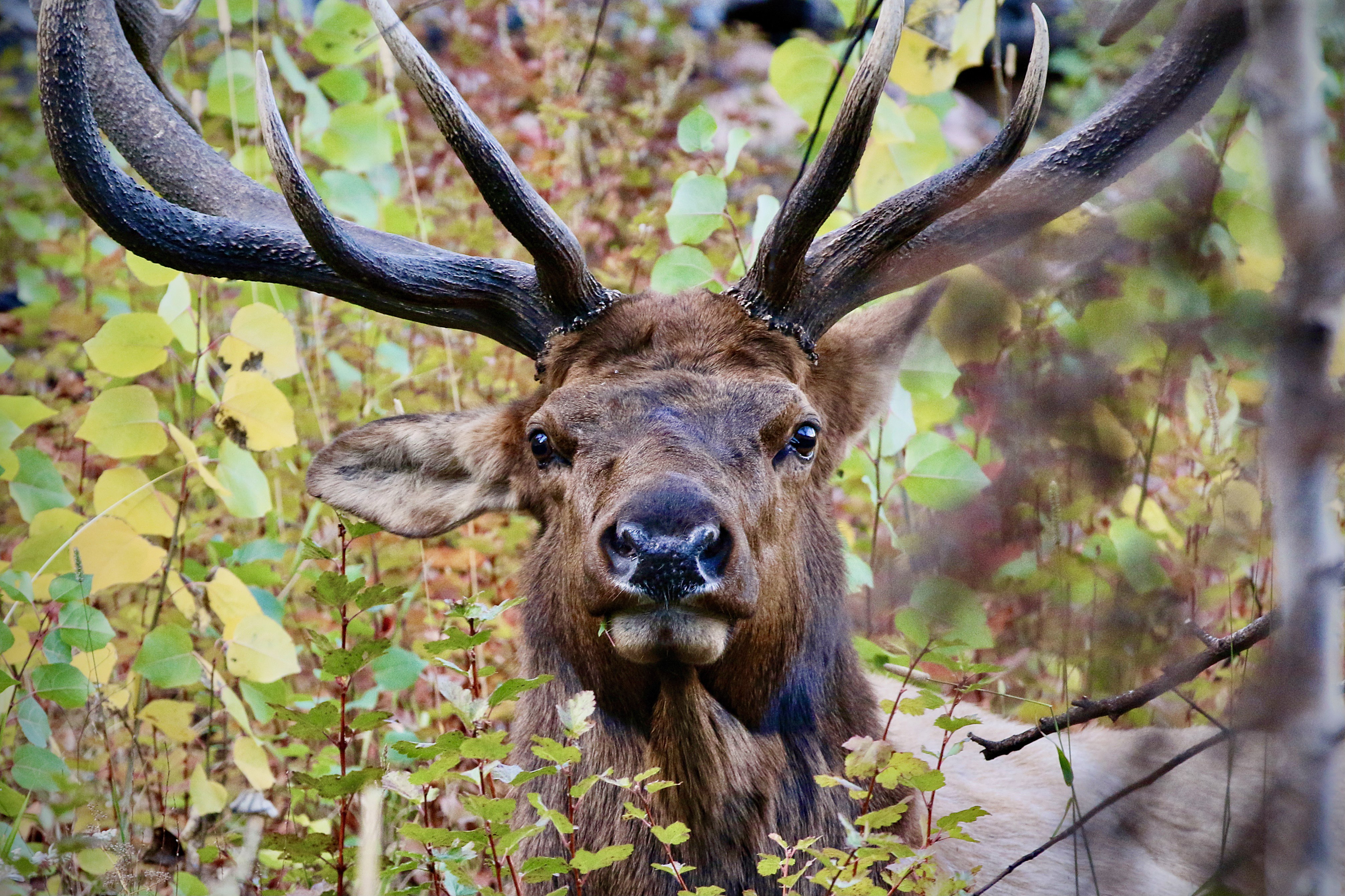
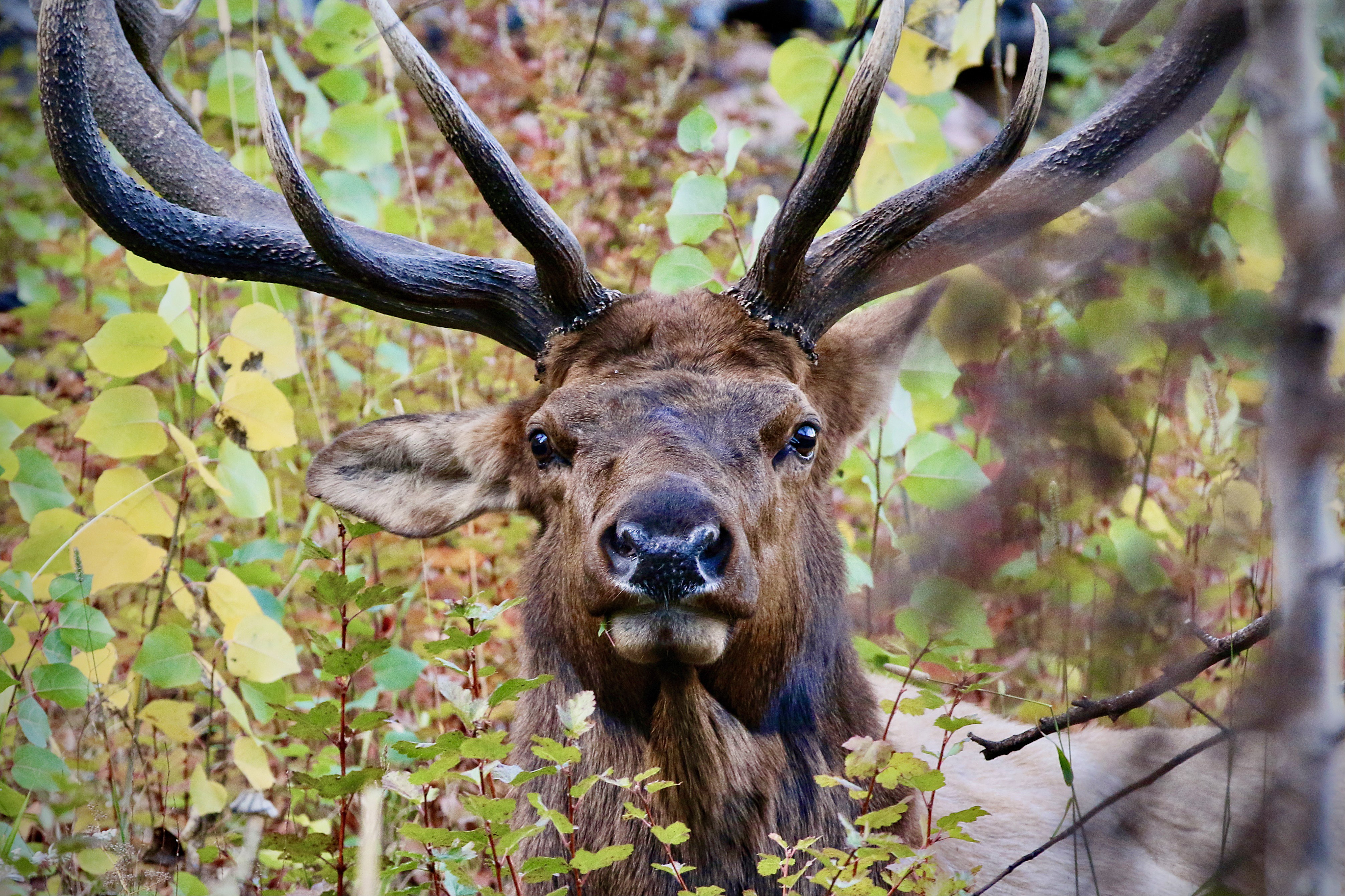
Running alongside the aspen color is one of the great wildlife spectacles of the American West — the elk rut. Bull elk weighing up to 700 pounds move down from the high alpine meadows, their bugling calls echoing across the valleys in the cold morning air. The sound is unlike anything else in nature — part whistle, part roar — and in Rocky Mountain NP the elk are habituated enough to human presence that encounters can be remarkably close. Moraine Park and Horseshoe Park are the classic viewing areas, with peak rut activity typically running from mid-September through mid-October.
This is one of those rare moments when two extraordinary natural events — peak fall color and peak wildlife behavior — overlap in the same place at the same time.